Editor : Dr. Jiang Songyu
ISSN : 3057-157X (Online)
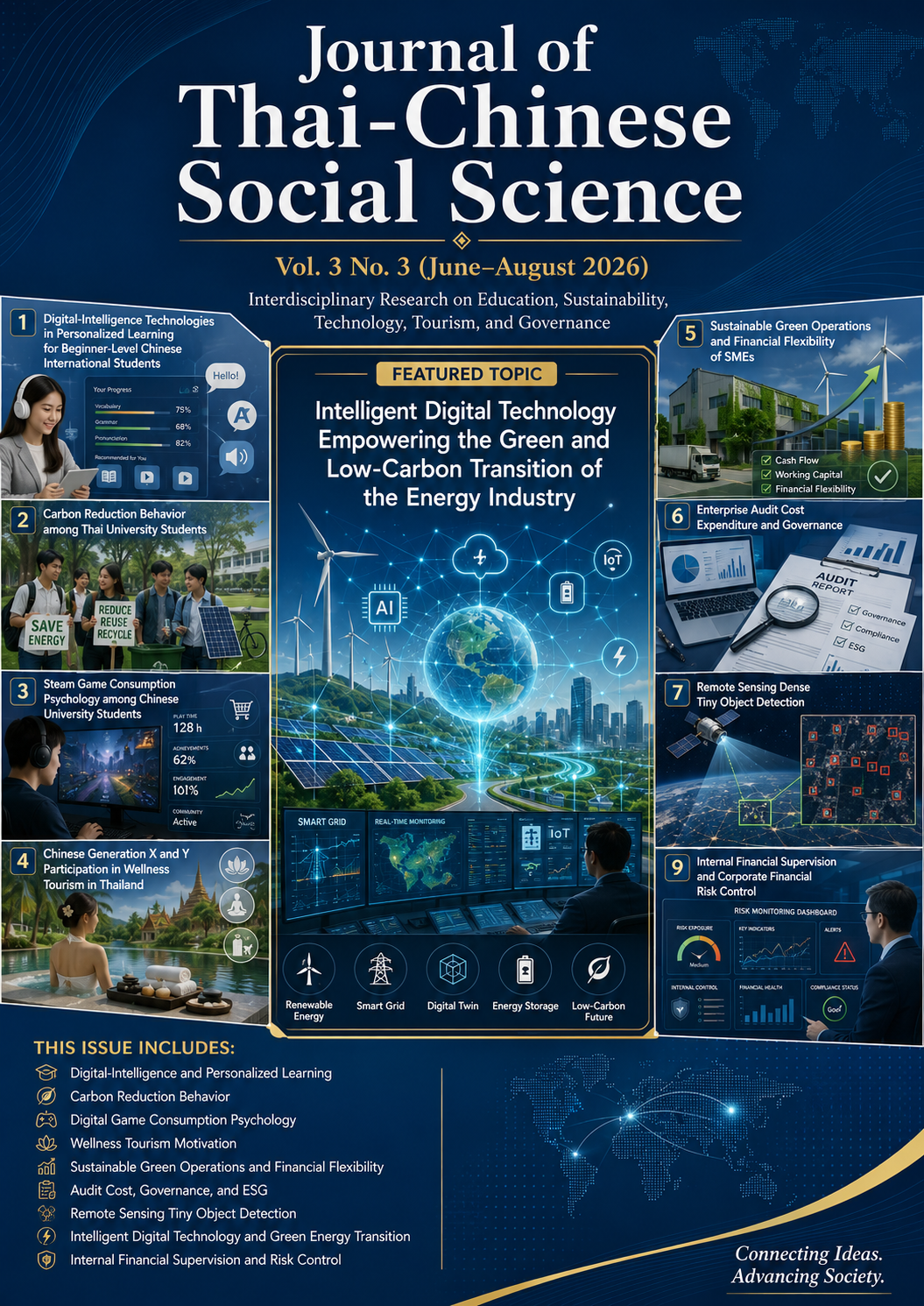
Journal of Thai-Chinese Social Science, Vol. 3 No. 3 (June–August 2026) presents a multidisciplinary collection of nine articles addressing emerging social, educational, technological, environmental, tourism, and corporate governance issues in China, Thailand, and the wider Asian context. Collectively, the contributions demonstrate the journal’s commitment to connecting social science theories with contemporary challenges arising from digital transformation, sustainable development, changing consumer behaviour, and institutional modernization.
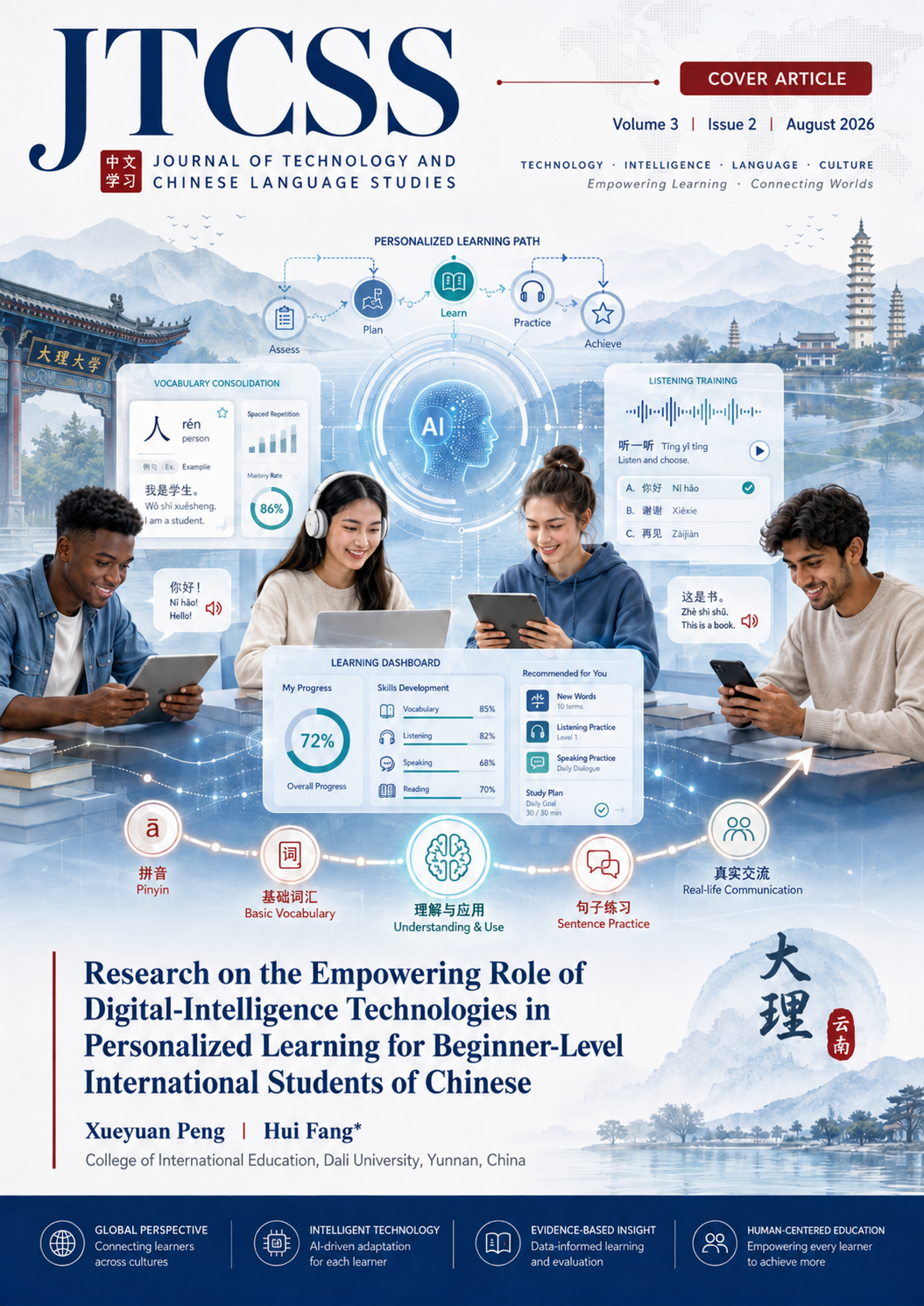
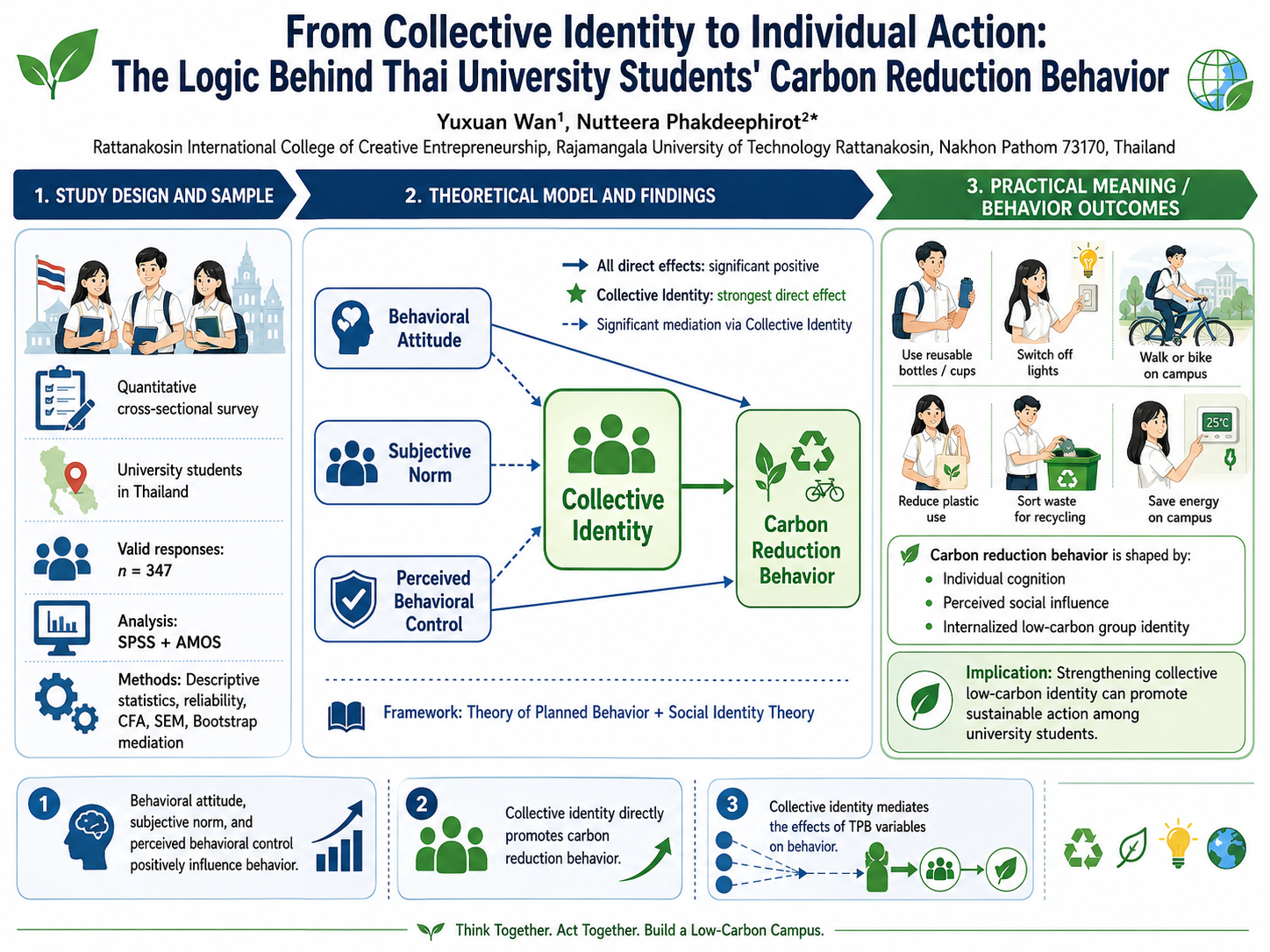
The issue opens with research on the role of digital-intelligence technologies in personalized Chinese-language learning among beginner-level international students. The article examines how intelligent learning platforms support vocabulary acquisition, listening practice, individualized feedback, and structured learning pathways in international Chinese education. The educational theme is complemented by a study of Thai university students’ carbon-reduction behaviour, which integrates the Theory of Planned Behavior and Social Identity Theory to explain how personal cognition, social expectations, perceived control, and collective identity translate environmental awareness into individual action.
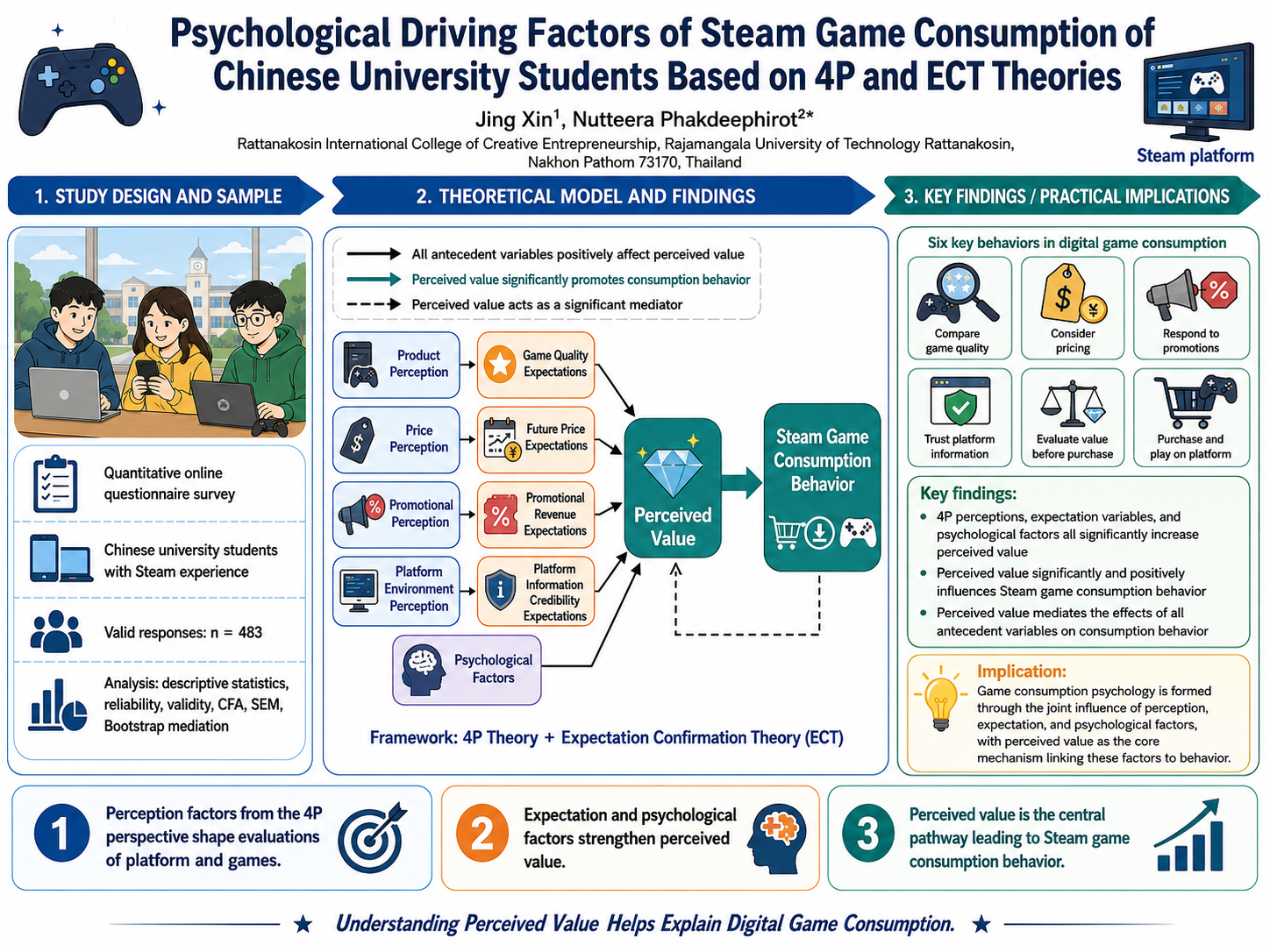
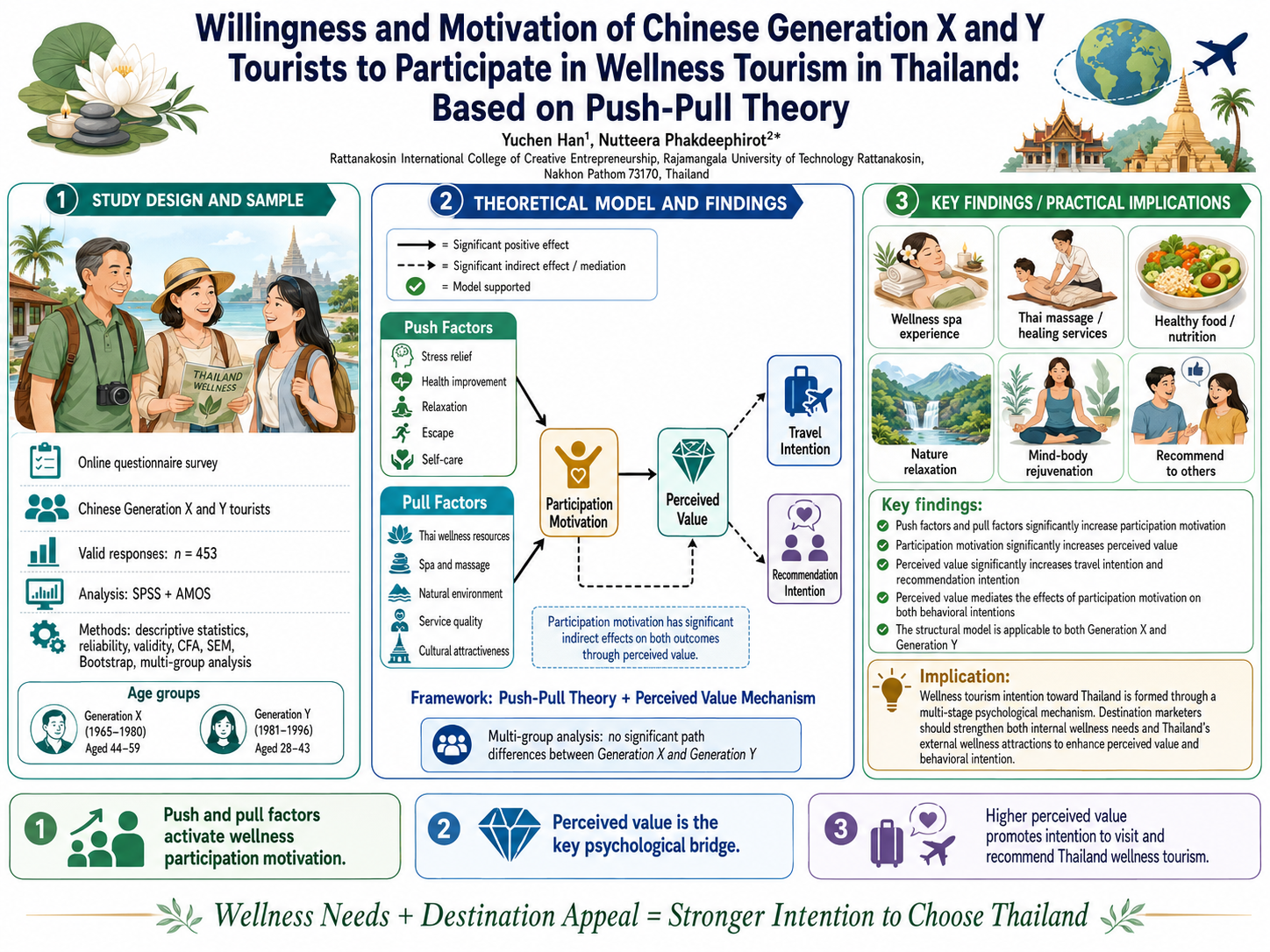
Consumer behaviour and tourism constitute another major theme. One article investigates the psychological drivers of Steam game consumption among Chinese university students by combining the 4P framework, Expectation Confirmation Theory, gaming psychology, and perceived value. Another explores the willingness and motivation of Chinese Generation X and Generation Y tourists to participate in wellness tourism in Thailand, highlighting the relationships among push factors, destination pull factors, participation motivation, perceived value, travel intention, and recommendation intention.
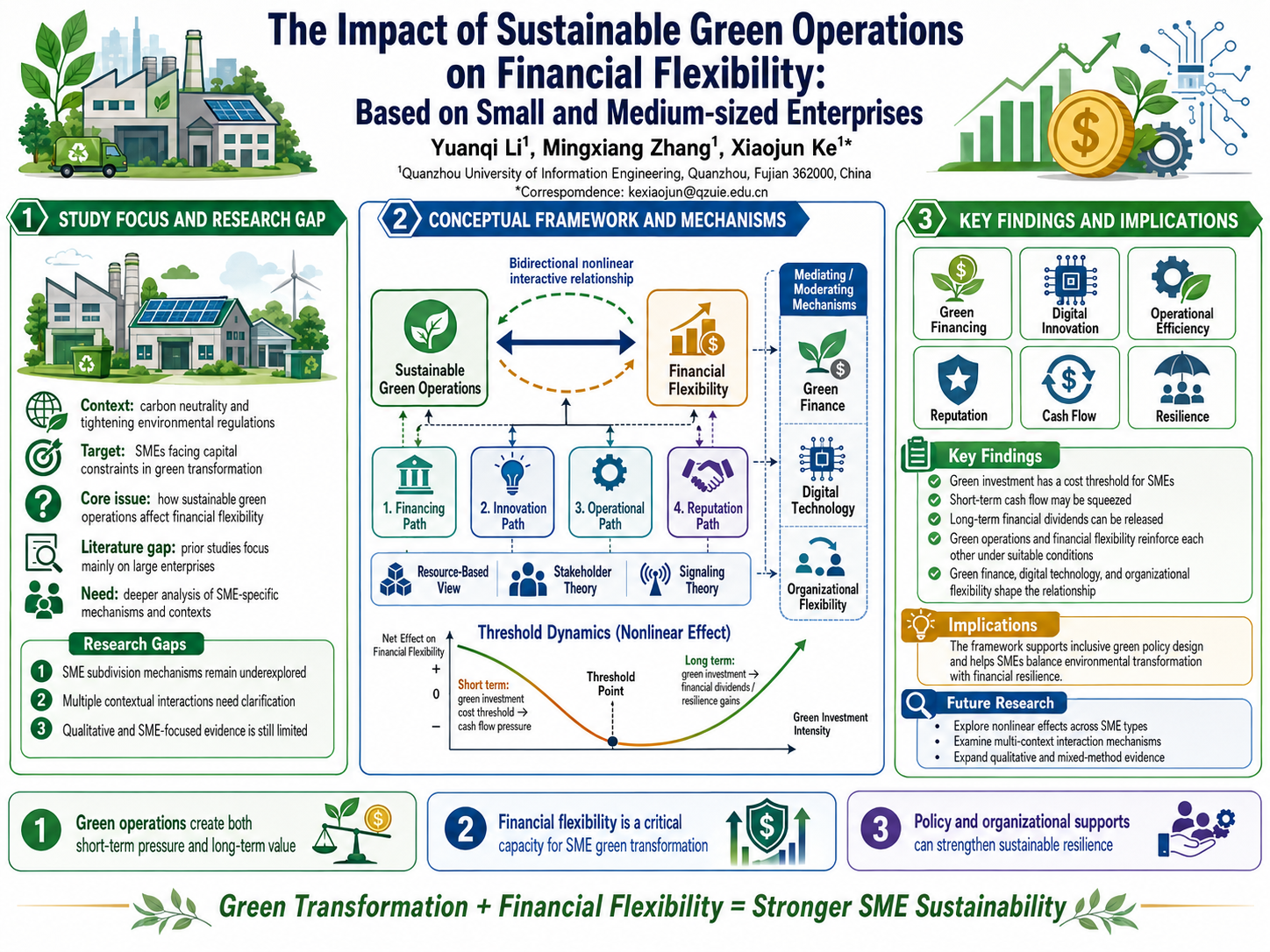
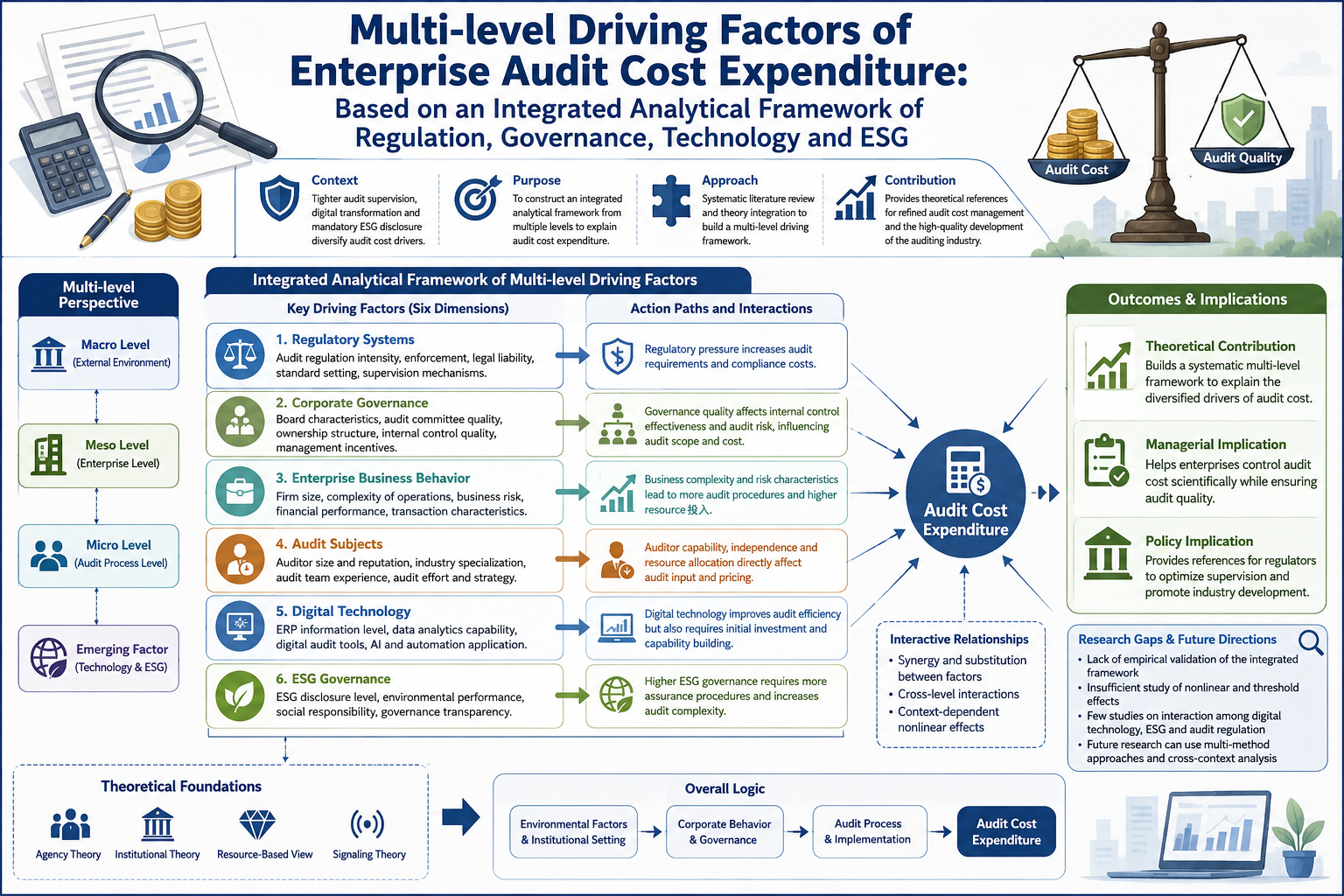
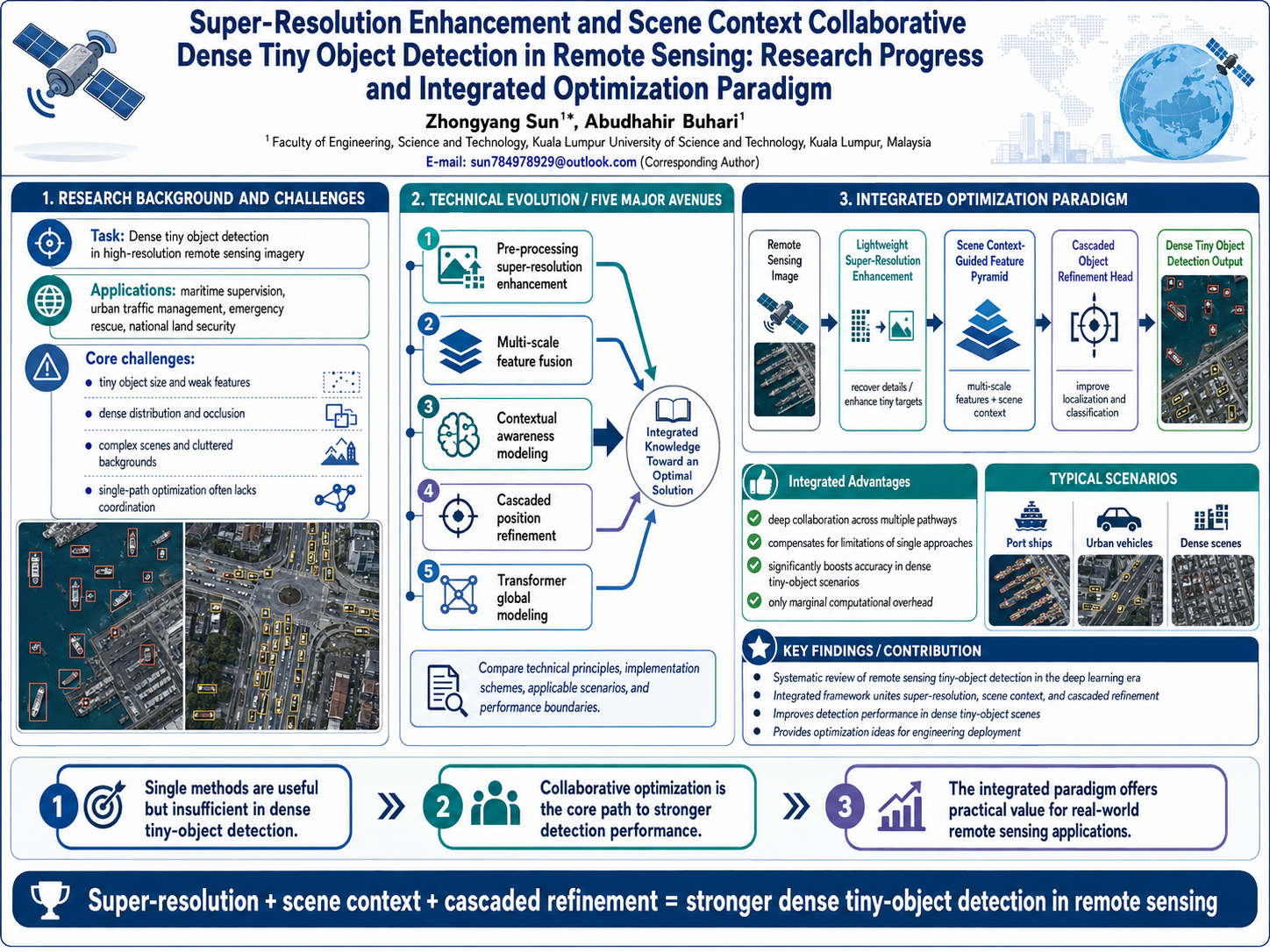
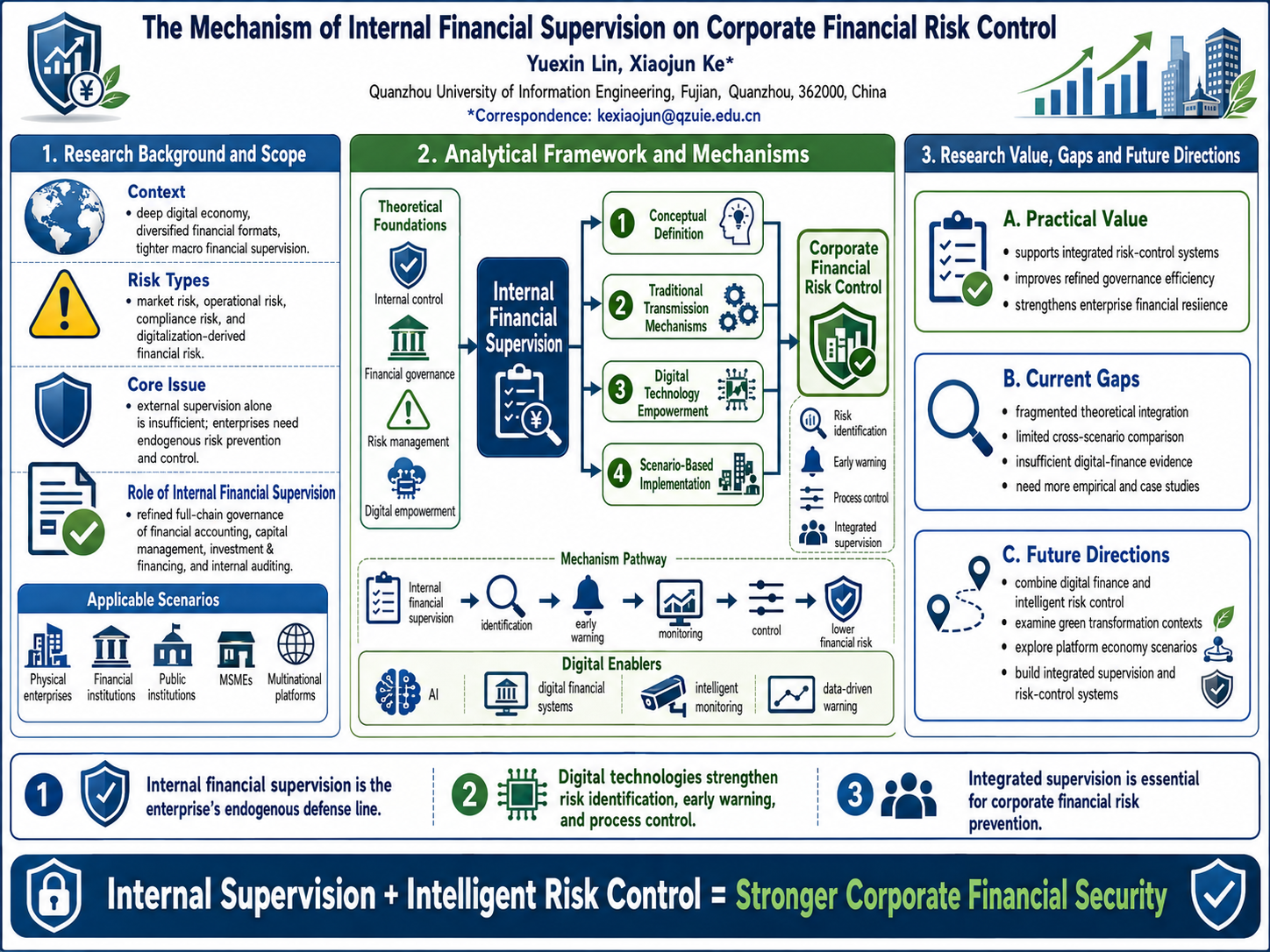
The issue also provides substantial coverage of corporate sustainability, auditing, and financial governance. Studies examine the reciprocal relationship between sustainable green operations and the financial flexibility of small and medium-sized enterprises, the regulatory, governance, technological, and ESG-related determinants of audit costs, and the role of internal financial supervision in corporate financial risk identification, early warning, and process control. The issue further extends its interdisciplinary scope to remote-sensing engineering through a review and integrated optimization framework for dense tiny-object detection in high-resolution imagery.
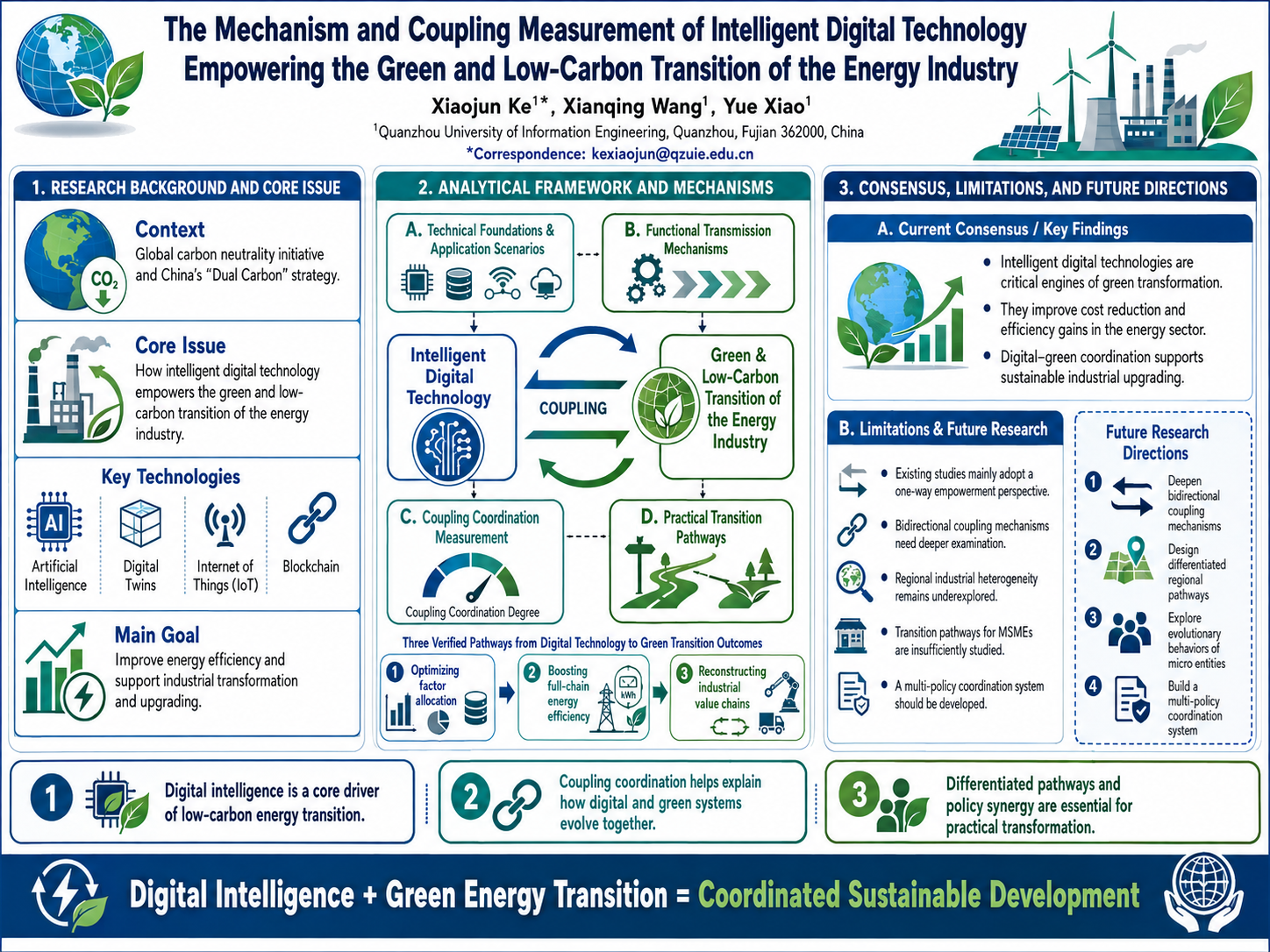
A particularly notable contribution is Xiaojun Ke, Xianqing Wang, and Yue Xiao’s article, “The Mechanism and Coupling Measurement of Intelligent Digital Technology Empowering the Green and Low-Carbon Transition of the Energy Industry.” With Xiaojun Ke as the first and corresponding author, the article offers a comprehensive framework connecting artificial intelligence, digital twins, the Internet of Things, and blockchain with energy efficiency, industrial restructuring, coupling coordination, and differentiated transition pathways. Its integration of digital transformation and green development makes it the featured contribution of this issue and strongly reflects the journal’s interdisciplinary and policy-oriented direction.
Welcome to the Journal of Thai-Chinese Social Science (JTCSS) ISSN: 3057-137X (Online), an esteemed academic publication established in July 2024. As a multidisciplinary platform, JTCSS is dedicated to publishing high-quality research papers in both Chinese and English, catering to a diverse scholarly community. Our journal extensively covers a range of fields such as economics and management, communication, language and culture, politics and law, education, and sustainable development.
JTCSS operates under a strict double-blind peer review process to ensure the integrity and quality of the research published. This rigorous review mechanism supports our commitment to academic excellence and unbiased scholarship. Published quarterly, the journal provides a regular and impactful outlet for groundbreaking research.
We extend a warm invitation to scholars from all disciplines within our scope to contribute their work. Each submission is a valuable addition to the rich tapestry of knowledge we aim to build. We are dedicated to fostering a scholarly environment that promotes an exchange of ideas that contribute to the advancement of global social sciences. Your contributions drive this vision forward, and we eagerly anticipate your innovative research papers.
Editor : Dr. Jiang Songyu
ISSN : 3057-157X (Online)
Home ThaiJO

Visitors
Counter installed :
18 September 2024

