การเพิกถอนคำสั่งทางปกครอง
คำสำคัญ:
คำสั่งทางปกครอง, การเพิกถอนคำสั่งทางปกครองบทคัดย่อ
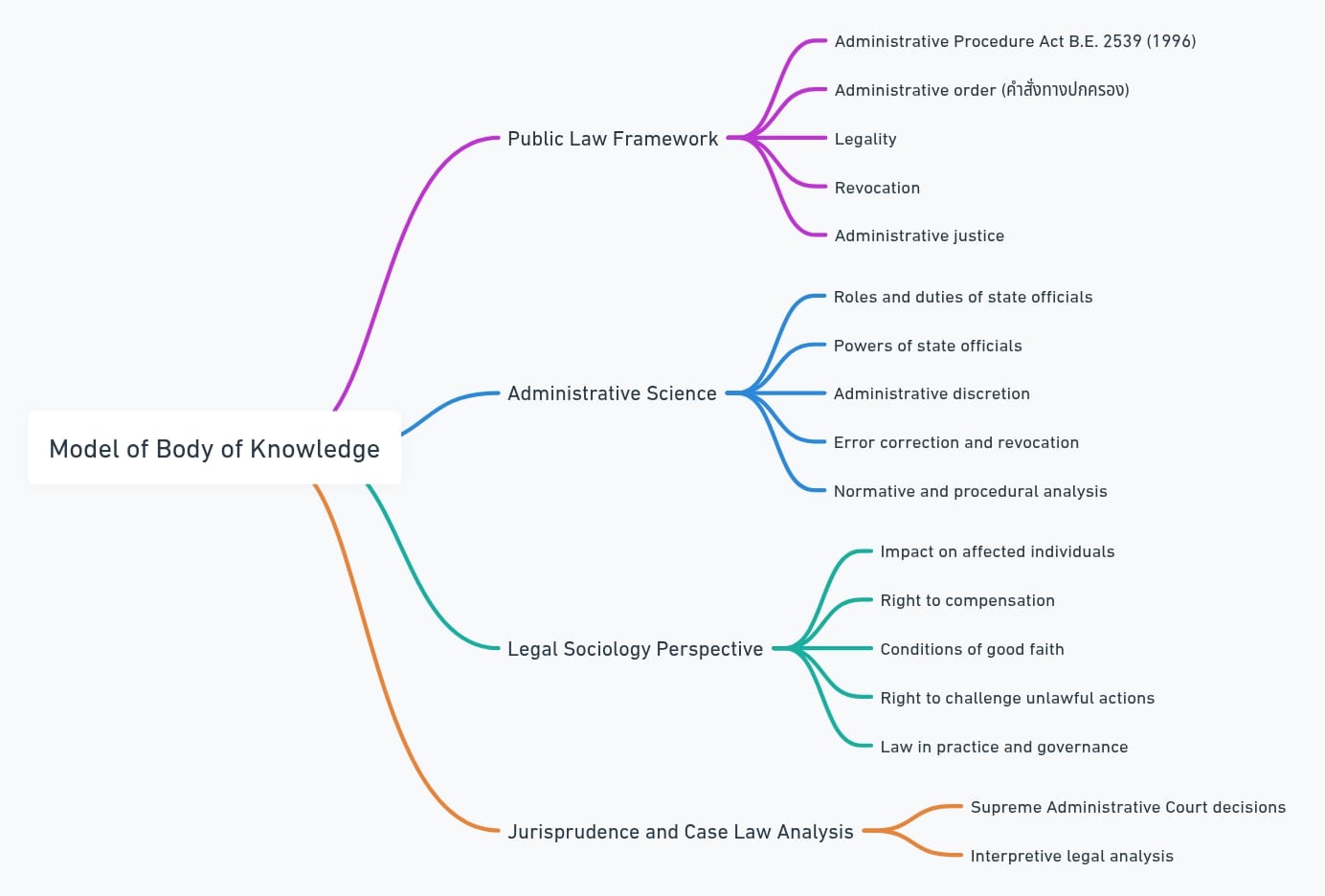
การปฏิบัติราชการของเจ้าหน้าที่ของรัฐเป็นไปตามหลักกฎหายมหาชน ซึ่งเป็นกฎหมายที่กำหนดความสัมพันธ์ระหว่างรัฐหรือเจ้าหน้าที่ของรัฐกับประชาชนในฐานะที่รัฐมีอำนาจเหนือประชาชน โดยมีหลักสำคัญคือเจ้าหน้าที่ของรัฐจะกระทำการใดต้องมีกฎหมายให้อำนาจในการกระทำการนั้น ต่างจากหลักกฎหมายเอกชนหากไม่มีกฎหมายห้ามแล้วเอกชนย่อมมีสิทธิกระทำได้ กฎหมายหลักที่เจ้าหน้าที่ของรัฐยึดถือในการปฏิบัติราชการ ได้แก่ พระราชบัญญัติวิธีปฏิบัติราชการทางปกครอง พ.ศ. ๒๕๓๙ และแก้ไขเพิ่มเติม (ถึงฉบับที่ ๓) พ.ศ. ๒๕๖๒ ซึ่งมีบทบัญญัติเกี่ยวกับการปฏิบัติราชการของเจ้าหน้าที่ เริ่มตั้งแต่บัญญัติความหมายของวิธีปฏิบัติราชการทางปกครองการพิจารณาทางปกครอง คำสั่งทางปกครอง รวมถึงกฎ ในการออกคำสั่งทางปกครองนั้นย่อมมีผลใช้บังคับกับบุคคลผู้รับคำสั่งทางปกครองตั้งแต่บุคคลนั้นได้รับแจ้งคำสั่งทางปกครอง และมีผลใช้บังคับตลอดไปจนกว่าคำสั่งทางปกครองจะถูกเพิกถอนโดยเจ้าหน้าที่ผู้ทำสั่งทางปกครองนั้น หรือผู้บังคับบัญชาของเจ้าหน้าที่ผู้ทำคสั่งทางปกครอง หรือศาลปกครองมีคำพิพากษาให้เพิกถอน ไม่ว่าคำสั่งทางปกครองนั้นจะชอบด้วยกฎหมายหรือไม่ชอบด้วยกฎหมายก็ตาม หากเป็นคำสั่งทางปกครองที่ไม่ชอบด้วยกฎหมายเจ้าหน้าที่ของรัฐผู้ออกคำสั่งทางปกครองอาจต้องรับผิดทางละเมิดชดใช้ค่าสินไหมทดแทนให้กับผู้เสียหาย หากผู้รับคำสั่งทางปกครองได้ให้ข้อมูลอันเป็นเท็จ หรือปกปิดข้อความจริง ซึ่งควรบอกให้แจ้ง หรือข่มขู่ หรือชักจูงใจโดยการให้ทรัพย์สินหรือให้ประโยชน์อื่นใดที่มิชอบด้วยกฎหมาย หรือผู้นั้นได้ให้ข้อความซึ่งไม่ถูกต้องหรือไม่ครบถ้วนในสาระสำคัญ หรือได้รู้ถึงความไม่ชอบด้วยกฎหมายของคำสั่งทางปกครองในขณะได้รับคำสั่งทางปกครอง หรือการไม่รู้นั้นเป็นไปโดยความประมาทเลินเล่ออย่างร้ายแรง เมื่อมีการเพิกถอนคำสั่งทางปกครองแล้ว หน่วยงานก็รัฐก็มีสิทธิเรียกเงินหรือทรัพย์สินคืนจากบุคคลดังกล่าวได้
เอกสารอ้างอิง
สำนักงานคณะกรรมการกฤษฎีกา. (2562). พระราชบัญญัติวิธีปฏิบัติราชการทางปกครอง พ.ศ. 2539 และที่แก้ไขเพิ่มเติม (ถึงฉบับที่ 3) พ.ศ. 2562. กรุงเทพฯ: สำนักพิมพ์คณะกรรมการกฤษฎีกา.
สำนักงานคณะกรรมการกฤษฎีกา. (2562). พระราชบัญญัติจัดตั้งศาลปกครองและวิธีพิจารณาคดีปกครอง พ.ศ. 2542 และที่แก้ไขเพิ่มเติม (ถึงฉบับที่ 12) พ.ศ. 2562. กรุงเทพฯ: สำนักพิมพ์คณะกรรมการกฤษฎีกา.
สำนักงานคณะกรรมการกฤษฎีกา. (2535). พระราชบัญญัติรักษาความสะอาดและความเป็นระเบียบเรียบร้อยของบ้านเมือง พ.ศ. 2535. กรุงเทพฯ: สำนักพิมพ์คณะกรรมการกฤษฎีกา.
สำนักงานคณะกรรมการกฤษฎีกา. (2535). พระราชบัญญัติการสาธารณสุข พ.ศ. 2535. กรุงเทพฯ: สำนักพิมพ์คณะกรรมการกฤษฎีกา.
สำนักงานคณะกรรมการกฤษฎีกา. (2562). พระราชบัญญัติระเบียบข้าราชการพลเรือน พ.ศ. 2551 และที่แก้ไขเพิ่มเติม (ถึงฉบับที่ 3) พ.ศ. 2562. กรุงเทพฯ: สำนักพิมพ์คณะกรรมการกฤษฎีกา.
สำนักงานศาลปกครอง. (2564). แนวคำวินิจฉัยของศาลปกครอง เล่มที่ 11. กรุงเทพฯ: สำนักงานศาลปกครอง.
ดาวน์โหลด
เผยแพร่แล้ว
รูปแบบการอ้างอิง
สัญญาอนุญาต
ลิขสิทธิ์ (c) 2025 วารสารวิชาการสังคมศาสตร์สมัยใหม่ (Online)

อนุญาตภายใต้เงื่อนไข Creative Commons Attribution-NonCommercial-NoDerivatives 4.0 International License.